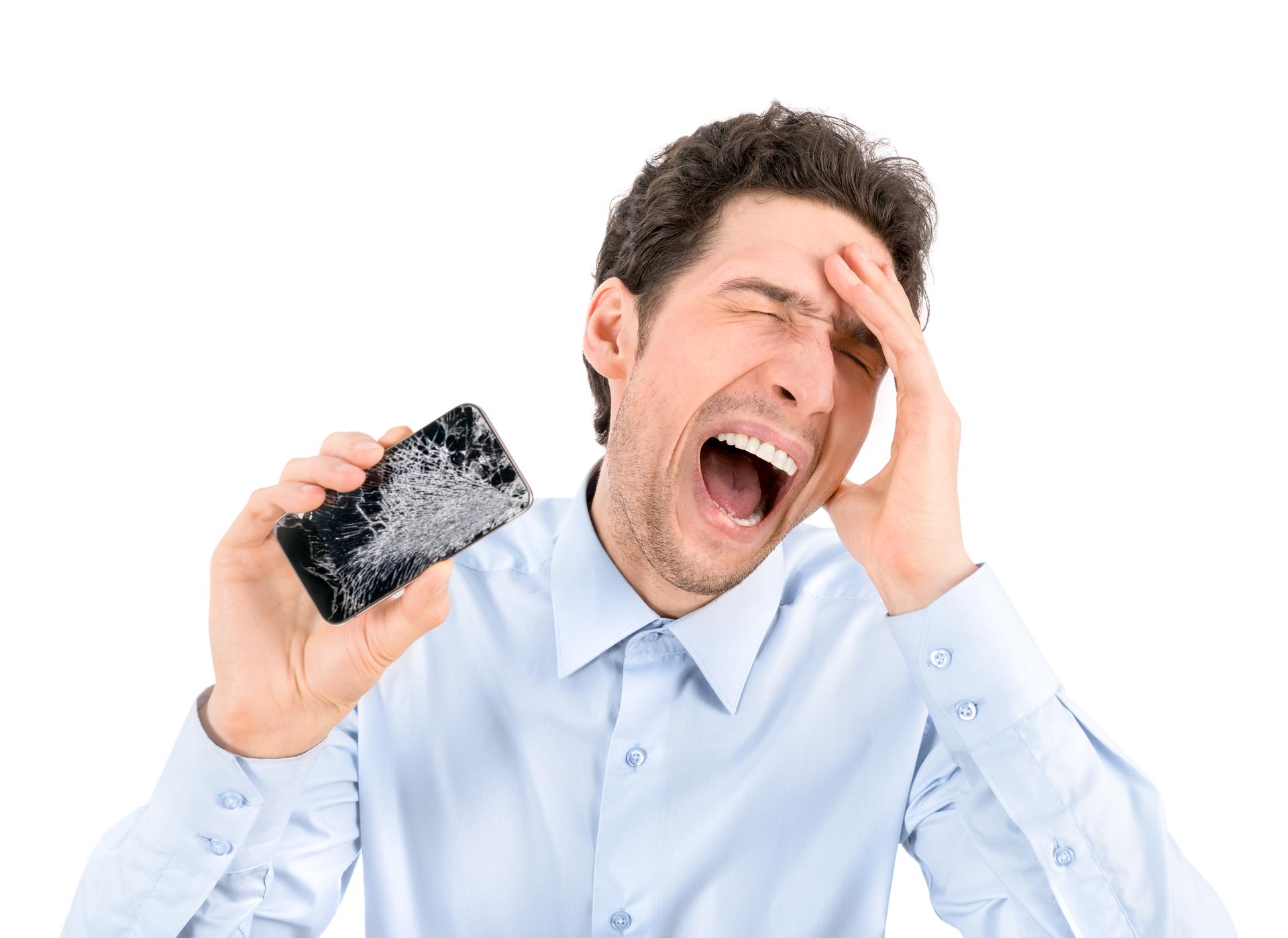
Most people do not think twice about how they handle their phone throughout the day. Yet many small habits, the kind that feel completely harmless, are often the reason screens end up in rough shape over time.
Pocket and Bag Mistakes
Tossing a phone into the same pocket as keys or coins seems like a small convenience, but it puts the screen in direct contact with harder materials. Over time, this kind of contact tends to leave fine scratches that are easy to miss at first but become more noticeable under certain lighting. Bags are not much different if a phone gets thrown in next to pens or other loose items rolling around.
Back pockets bring their own set of problems. A phone can slide out without much notice while you are walking, or it can end up under pressure if you sit down without thinking about what is in your pocket. Neither situation causes damage every single time, but the odds add up the more often it happens.
Unstable Surfaces
Where you set your phone down matters more than most people realize. The edge of a table is a common trouble spot, and so is a couch cushion that shifts when someone sits down nearby. A lap works fine until you stand up without remembering what was resting there a moment ago. In each case, a slight nudge is often all it takes for a phone to slide off and land wrong.
Drops from these kinds of everyday surfaces might seem minor compared to a fall from a greater height, but they can still cause real damage.
Even a short drop can create tiny cracks that are not visible right away. Those micro-cracks tend to weaken the glass, so a screen that looks fine after a small fall may become more fragile with each bump that follows.
Sand and Dust Exposure
Outdoor environments introduce a different kind of risk. Sand contains fine mineral particles that are hard enough to scratch smartphone glass, so any contact between sand and a screen can leave marks that build up over repeated exposure. This is especially common during trips to the beach or afternoons spent outdoors in dusty conditions.
Dust causes a slower kind of wear. When it collects in pockets or bags, it settles against the screen and slowly wears down the coating that helps resist smudges and glare. The change happens gradually, so many people do not notice it until the screen starts feeling different to the touch or looking duller than it used to.
Liquid Risks
Spills near a phone can cause damage almost instantly, especially if liquid makes its way into a port or speaker. Even a minor spill matters, because moisture has a way of finding any existing crack or weak point in the screen. Once that happens, the damage tends to spread rather than staying contained to one small area.
Humidity plays a quieter role as well. Phones that sit in damp environments for extended periods can develop issues over time, since moisture is often the hidden factor behind screens that seem to deteriorate for no clear reason.
Careless Handling
The way a phone is held often matters just as much as where it is placed. Walking down stairs or across a wet floor while holding a phone in one hand raises the chance of a slip.
If a fall happens, the phone is usually the last thing on your mind, which makes it more likely to hit the ground.
Leaning over an open space while holding a phone creates a similar risk, and it does not take much for that space to become a problem. A sink counts. So does a railing overlooking a stairwell or a balcony. It only takes one loose grip or a small stumble for a phone to slip out of reach, and these moments tend to happen quickly, which is part of why they catch people off guard.
Prevention Habits Worth Building
Small changes in daily habits can go a long way toward keeping a screen in good condition. A sturdy case with raised edges helps absorb impact and keeps the corners protected during minor drops. Pairing that with screen protectors adds another layer of defense against scratches from everyday contact with rough surfaces.
Storing a phone in a padded sleeve when it is inside a bag can prevent it from knocking against other items. Being a little more mindful about where you set your phone down also reduces the chances of an accidental spill or fall, since a flat surface away from liquids leaves much less room for something to go wrong.
None of these habits require much effort, but together they make a noticeable difference over time, and most people find they become second nature after a while.
Protecting Your Screen for the Long Run
Small, everyday habits often have a bigger impact on screen health than people expect, but a few simple adjustments can help your device hold up much better over time. If you would like guidance on protecting your screen, feel free to reach out to our team.
Frequently Asked Questions
How can I tell if my screen has micro-cracks?
Micro-cracks are often too small to see with the naked eye at first. They usually become more visible under bright light or after the phone experiences another small impact.
Does screen damage always happen right away?
Not always. Some damage, like the kind caused by dust or humidity, builds up slowly. It may not be noticeable until the screen starts to look or feel different than it used to, or it affects the function.
Are certain phone models more prone to scratches or cracks?
Screen durability can vary somewhat between devices, but everyday habits usually play a bigger role in long-term damage than the device itself.
Can minor scratches affect how a touchscreen responds?
In some cases, yes. Deeper scratches can interfere with touch sensitivity, though light surface marks usually do not cause functional problems, so it often comes down to how deep the damage actually goes.